Understanding Instagram Outages: Current Status and Historical Context
In an increasingly digital world, a sudden disruption to our favorite social media platforms can feel like a jolt. For millions, Instagram is more than just an app; it's a vital connection to friends, family, customers, and communities. So, when the feed stops refreshing, stories refuse to load, or direct messages remain stubbornly undelivered, the immediate, often anxious question that springs to mind is:
"When will Instagram be fixed?"
This article aims to be your definitive guide to understanding Instagram outages, how to track their real-time status, delve into their history, and most importantly, what to do when you suspect the platform isn't working as it should. We'll explore the mechanisms behind outage reporting and offer practical advice to keep you informed and prepared.
Real-Time Insights: Tracking Instagram's Current Status & 24-Hour Reports
When your Instagram isn't working, the first step is always to determine if the problem is on your end or if the entire platform is experiencing issues. Reputable status monitoring services play a crucial role here, aggregating user reports and running checks to provide an accurate picture of Instagram's operational health.
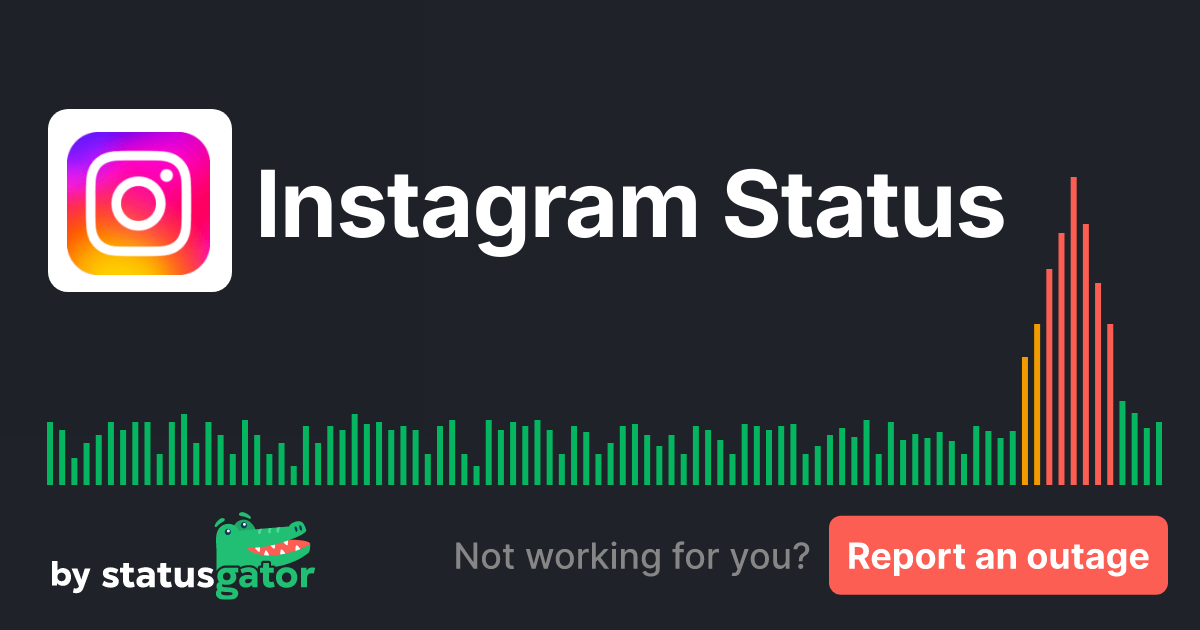
For instance, at any given moment, a service might report that Instagram is largely operational, even while receiving a handful of user-submitted reports of problems in the last 24 hours. These reports, even if few, are vital. They can indicate localized issues, emerging glitches, or problems affecting specific features rather than a full-scale blackout. Six user reports within 24 hours, for example, might suggest minor isolated incidents rather than a widespread crash.
These platforms diligently track every reported outage, performance issue, and maintenance window. This means you don't have to navigate confusing technical jargon; a quick check can tell you if Instagram is experiencing a problem now or has recently resolved one.
How to Verify an Instagram Outage
Before jumping to conclusions about a platform-wide collapse, it's wise to perform a few quick checks on your end:
*
Check your Internet Connection: Ensure your Wi-Fi or mobile data is working correctly. Try loading another website or app.
*
Restart the Instagram App: Sometimes, a simple app restart can clear minor glitches.
*
Update the App: Make sure your Instagram app is updated to the latest version. Outdated apps can sometimes cause functionality issues.
*
Restart Your Device: A full phone or tablet restart can resolve deeper connectivity problems.
*
Check Official Channels: While Instagram doesn't always post immediate updates on its own platform during an outage (for obvious reasons), they often use their official Twitter account or a dedicated status page (if available) to communicate broad issues.
If you've gone through these steps and Instagram is still not working for you, it’s time to consult reliable third-party status checkers. For a deeper dive into these troubleshooting steps and more, you might find our article
Instagram Not Working? How to Check Its Real-Time Status particularly helpful.
When trying to ascertain if Instagram is truly down, monitoring services act as a collective pulse check. For a more immediate and detailed overview, refer to our dedicated page:
Is Instagram Down? Live Status & Current Outage Reports.
The Historical Perspective: A Look at Instagram's Downtime History
Understanding current outages is one thing, but gaining insight into Instagram's past performance provides invaluable context. Services dedicated to monitoring platform stability have, for an extended period, tracked and logged service outages and problems submitted by the community. Since October 2014, for example, these platforms have been diligently observing Instagram outages, downtime, and service disruptions to offer comprehensive insights into its status history.
This historical data isn't just for curiosity; it serves several critical purposes:
*
Identifying Patterns: A long-term record can reveal if outages are more frequent at certain times, after specific updates, or under particular loads.
*
Assessing Reliability: Users and businesses relying heavily on Instagram can gauge the platform's overall reliability over time.
*
Informing Expectations: If Instagram has a history of resolving issues within an hour, users can manage their expectations during a new outage. If major outages sometimes last several hours, you know to factor that in.
*
Supporting Developers: For third-party app developers and businesses integrating with Instagram, historical data helps them understand potential vulnerabilities and build more resilient systems.
By keeping track of every reported outage, performance issue, and maintenance window, these detailed histories ensure that users are always informed, not just about the present, but also about the past trends of Instagram's operational stability.
When Will Instagram Be Fixed? What to Expect During an Outage
This is often the most pressing question during any social media downtime. Unfortunately, there's no single, definitive answer to "When will Instagram be fixed?" The resolution time depends entirely on the nature and severity of the problem.
*
Minor Glitches: Localized issues or small bugs might be resolved in minutes, often without a widespread announcement.
*
Server-Side Issues: More significant problems, such as database issues or server failures, can take anywhere from a few minutes to several hours to diagnose and fix. These often require engineers to work tirelessly behind the scenes.
*
Major Global Outages: These are the most impactful, affecting millions worldwide. Such events can sometimes take several hours, or in rare cases, even a full day to completely restore, as engineers deploy fixes, monitor recovery, and gradually bring services back online.
During an outage, Instagram's internal teams are typically working around the clock to identify the root cause and implement solutions. Communication, when possible, usually comes through:
*
Official Twitter Accounts: Instagram often uses its official Twitter handle or that of its parent company (Meta) to provide updates on significant outages.
*
News Outlets: Major outages quickly become news, and media outlets will often report on the status, citing official statements or other reliable sources.
*
Third-Party Status Monitors: These services will update their dashboards as they detect restoration of service or receive official word.
Tips for Users During an Outage:
*
Practice Patience: Frustration is natural, but constant refreshing or reinstalling the app won't speed up the fix.
*
Avoid Misinformation: Be wary of unofficial sources claiming to know specific fix times or offering "solutions" that might compromise your account.
*
Engage Elsewhere: Use the downtime as an opportunity to connect on other platforms, read a book, or engage in offline activities.
*
Clear Cache After Restoration: Once Instagram is reported to be fully operational, consider clearing your app's cache (in your phone settings) or restarting your device to ensure a fresh connection.
Staying Informed: Best Practices for Monitoring Instagram's Status
Knowing where to look and what to do can significantly reduce anxiety during an Instagram outage. Here are the best practices for keeping yourself informed:
*
Bookmark Reliable Status Checkers: Have a few trusted third-party status websites bookmarked on your browser or readily accessible. These aggregate data from user reports and automated checks to give a comprehensive overview.
*
Follow Official Instagram/Meta Accounts on Other Platforms: If you use Twitter, follow @Instagram and @MetaNewsroom. These are usually the first places official announcements about widespread issues appear.
*
Don't Panic at the First Sign of Trouble: Remember the troubleshooting steps mentioned earlier. Your personal connection or device might be the culprit before it's a platform-wide issue.
*
Understand the Difference Between "Down" and "Having Problems": Sometimes Instagram might not be completely "down" but could be experiencing degraded performance, like slow loading or specific features not working. Status monitors typically differentiate these.
*
Join Community Forums (Cautiously): While online communities can offer real-time peer reports, always cross-reference information with official sources to avoid misinformation.
By combining direct troubleshooting with reliable external monitoring, you can effectively track Instagram's status and quickly discern whether the problem is global or localized to your experience.
Conclusion
Instagram outages, while infrequent for the platform's massive scale, are an inevitable part of the digital landscape. From minor glitches affecting a handful of users to major global disruptions, understanding *why* they happen, *how* to verify them, and *where* to find reliable updates is crucial. While the exact answer to
"When will Instagram be fixed?" remains elusive during an active outage, being informed through real-time reports and historical data empowers you to navigate these interruptions with confidence. By utilizing dependable status checkers, performing quick self-checks, and following official communication channels, you can stay ahead of the curve, reduce frustration, and get back to connecting on Instagram as soon as service is fully restored.